Buy thegioiphim.eu ?
We are moving the project
thegioiphim.eu .
Are you interested in purchasing the domain
thegioiphim.eu ?
domain@kv-gmbh.de · 0541-91531010
Buy thegioiphim.eu ?
Why are some countries not dubbing films?
Some countries choose not to dub films due to the high costs associated with the process of translating and recording dialogue in multiple languages. Additionally, some audiences prefer to watch films in their original language with subtitles to experience the authenticity of the actors' performances. Furthermore, in countries where English is widely spoken or understood, there may be less demand for dubbed versions of films. **
Are foreign films translated directly for countries?
Yes, foreign films are often translated directly for countries through a process called subtitling or dubbing. Subtitling involves adding translated text at the bottom of the screen, allowing viewers to hear the original language while reading the translation. Dubbing, on the other hand, involves replacing the original language with a translated voiceover. Both methods allow foreign films to be accessible to audiences in different countries. **

Similar search terms for Countries
Top-Angebote
Products related to Countries:
-
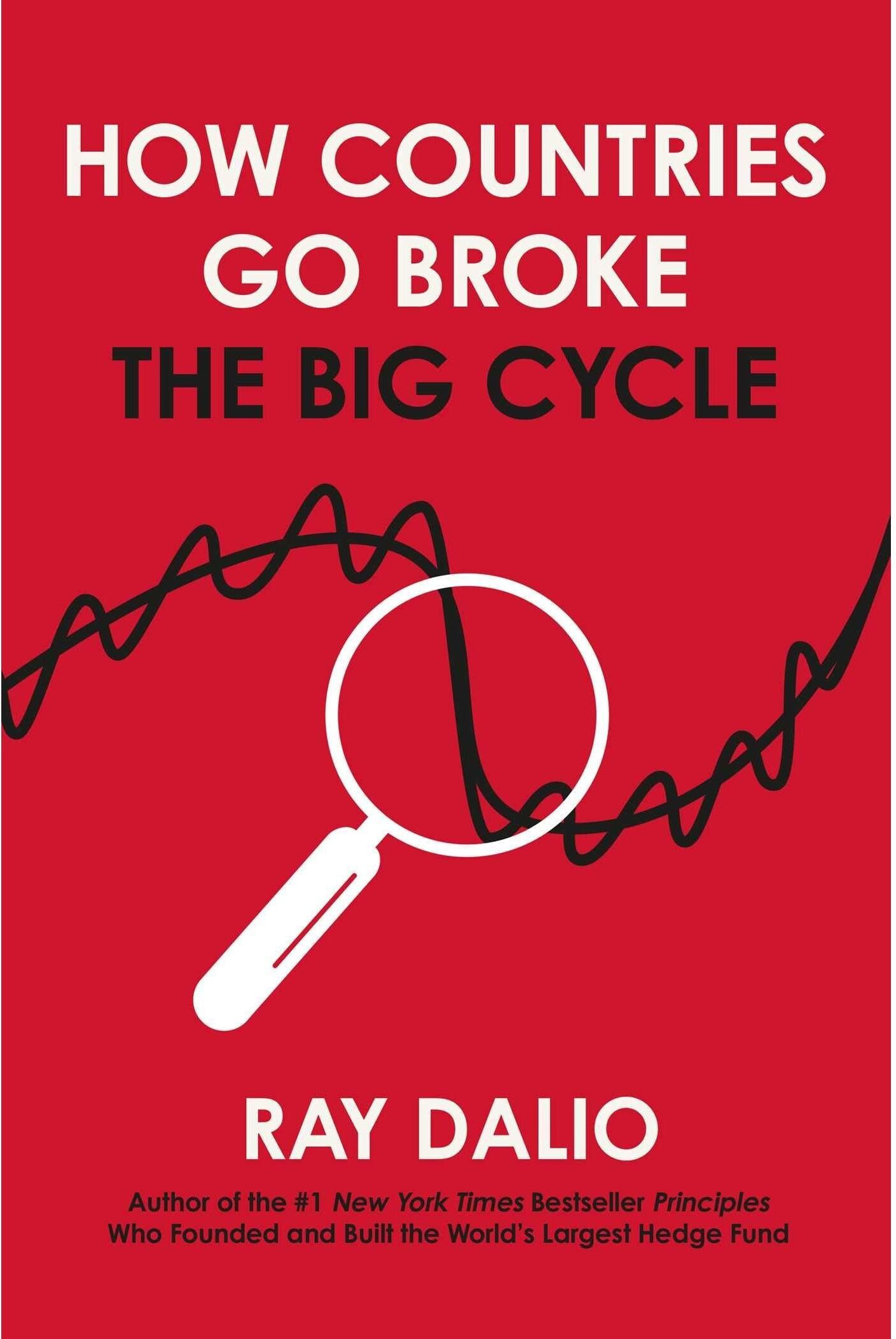
Simon and Schuster UK How Countries Go Broke: Principles for Navigating the Big Debt Cycle, Where We Are Headed, and What We Should DoAn urgent warning about the global economy from Ray Dalio, the #1 New York Times bestselling author of Principles. Do big government debts threaten our collective well-being? Are there limits to debt growth? Can a big, important reserve currency country like the United States really go broke – and what would that look like? For decades, politicians, policymakers and investors have debated these questions, but the answers have eluded them. In this groundbreaking book, Ray Dalio, one of the greatest investors of our time who anticipated the 2008 global financial crisis and the 2010–12 European debt crisis, shares for the first time his detailed explanation of what he calls the 'Big Debt Cycle'. Understanding this cycle is critical for helping policymakers, investors and the general public grasp where we are and where we are headed with the debt issue. Dalio's model points toward surprisingly straightforward solutions for dealing with the debt problems that the US, Europe, Japan and China face today. How Countries Go Broke also shows how these debt problems are related to the other forces – political within countries, geopolitical between countries, natural (droughts, floods and pandemics) and technological (most importantly, AI) – that together are causing what Dalio calls the 'Overall Big Cycle' changes in the world order. By reading this book, you will improve your understanding of what's happening now and what to do about it.17,99 £*Shipping: 2,99 £Secure redirect to the provider
-
How Countries Go Broke Principles for Navigating the Big Debt Cycle, Where We Are Headed, and What We Should Do by Ray Dalio - Non Fiction - Hardback Simon & SchusterDo big government debts threaten our collective well-being? Are there limits to debt growth? Can a big, important reserve currency country like the United States really go broke – and what would that look like? For decades, politicians, policymakers and investors have debated these questions, but the answers have eluded them. In this groundbreaking book, Ray Dalio, one of the greatest investors of our time who anticipated the 2008 global financial crisis and the 2010–12 European debt crisis, shares for the first time his detailed explanation of what he calls the 'Big Debt Cycle'. Understanding this cycle is critical for helping policymakers, investors and the general public grasp where we are and where we are headed with the debt issue. Dalio's model points toward surprisingly straightforward solutions for dealing with the debt problems that the US, Europe, Japan and China face today. How Countries Go Broke also shows how these debt problems are related to the other forces – political within countries, geopolitical between countries, natural (droughts, floods and pandemics) and technological (most importantly, AI) – that together are causing what Dalio calls the 'Overall Big Cycle' changes in the world order. By reading this book, you will improve your understanding of what's happening now and what to do about it.15,99 £*Shipping: 2,99 £Secure redirect to the provider


-
Which countries are the best in terms of TV series production?
The United States, the United Kingdom, and South Korea are among the best countries in terms of TV series production. The US is known for its high-quality and diverse range of TV series, with many popular shows being produced in Hollywood. The UK has a strong tradition of producing critically acclaimed and innovative TV series, such as those from the BBC. South Korea has gained international recognition for its well-crafted and addictive K-dramas, which have a dedicated global fanbase. These countries have made significant contributions to the global TV industry and continue to produce compelling and influential TV series. **
-
Are horror films also confiscated in other countries?
Yes, horror films are also confiscated in other countries, depending on their content and the regulations in place. Some countries have strict censorship laws that prohibit the distribution or screening of certain types of horror films that are deemed too violent, graphic, or disturbing. In some cases, horror films may be confiscated or banned altogether to protect public morality or prevent potential social unrest. **
-
Why are some countries not dubbing movies?
Some countries may choose not to dub movies due to the high cost and time involved in the dubbing process. Additionally, some countries may have a strong preference for subtitles over dubbing, as it allows viewers to hear the original actors' voices and preserve the authenticity of the film. Furthermore, some countries may have a smaller market for foreign films, making it less economically viable to invest in dubbing. Ultimately, the decision to dub or not to dub movies is influenced by a combination of economic, cultural, and audience preference factors. **
-
Is streaming movies from the cinema legal or illegal?
Streaming movies from the cinema without proper authorization is illegal. This is because it violates copyright laws and intellectual property rights. The movies shown in cinemas are the property of the filmmakers and production companies, and streaming them without permission is a form of piracy. It is important to respect the rights of content creators and support the legal distribution of movies. **


Which countries are Balkan countries?
The Balkan countries are located in the southeastern region of Europe and include Albania, Bosnia and Herzegovina, Bulgaria, Croatia, Greece, Kosovo, Montenegro, North Macedonia, Romania, Serbia, and Slovenia. These countries are characterized by their diverse cultures, histories, and landscapes, and are often considered a bridge between the East and the West. The term "Balkan" is derived from the Balkan Mountains, which run through the region. **
Have Bully's films been broadcasted in other countries as well?
Yes, Bully's films have been broadcasted in other countries as well. His movies have gained international recognition and have been distributed to various countries around the world. The popularity of his films has led to their broadcast in multiple countries, allowing audiences from different cultures to enjoy his work. This has helped to expand his fan base and showcase his talent on a global scale. **
Top-Angebote
Products related to Countries:
-
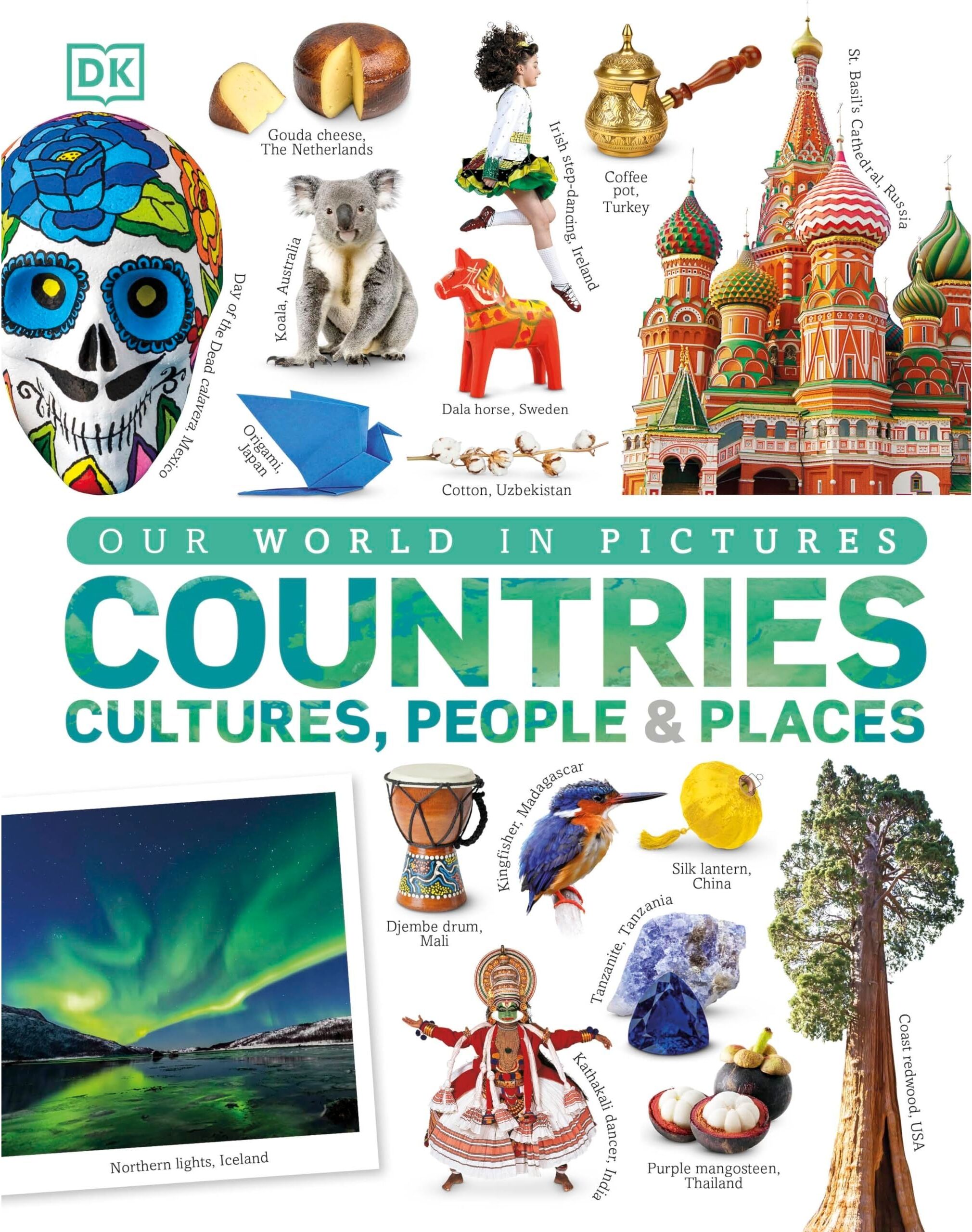
DK Our World in Pictures: Countries, Cultures, People and Places: A Visual Encyclopedia of the WorldPacked with more than 1,000 incredible images and full of fascinating facts, this beautiful children's book takes you on an exciting round-the-globe tour, with a stopover in every nation on every continent! Did you know that Cuba's national sport is baseball, one of the most popular sports in the US? And that kids in both Japan and Chile have earthquake drills on their school schedule? Find out about anything from the spookily vibrant Day of the Dead parade in Mexico and the beautiful springtime cherry blossom displays of Japan, to blueberry-picking in Sweden and India's space programme. Discover the countries of the world - explore their geography, wildlife, traditions, and arts, in this picture-packed children's book. Every country profile is full of photos, and each nation has a full-colour map detailing its main cities, landscape features, and borders, and exactly where in the world they are, in this engaging encyclopedia for children aged 9-12. Celebrate your child's curiosity as they explore: -Striking and detailed diagrams, drawings and illustrations on every page -A highly visual approach to learning -Ideal combination of colourful diagrams with infographic text boxes This captivating kids encyclopedia tackles our weird and wonderful world continent by content, with informative profiles for each of the 196 nations of the world and striking illustrations, photographs and diagrams featured throughout provide an optimum visual learning experience for both children and adults alike, accompanied by an array of fun facts from around the globe! This world encyclopedia includes at-a-glance panels that provide a quick reference to all the stats, making this engaging encyclopedia for kids an ideal combination of colourful diagrams and infographic text boxes with easy-to-read accessible text for readers aged 9-12, yet can be enjoyed by the entire family, making this enthralling children's encyclopedia a beautiful and educational gift that can be passed down generations.7,85 £*Shipping: 2,99 £Secure redirect to the provider
-
Simon and Schuster UK How Countries Go Broke: Principles for Navigating the Big Debt Cycle, Where We Are Headed, and What We Should DoAn urgent warning about the global economy from Ray Dalio, the #1 New York Times bestselling author of Principles. Do big government debts threaten our collective well-being? Are there limits to debt growth? Can a big, important reserve currency country like the United States really go broke – and what would that look like? For decades, politicians, policymakers and investors have debated these questions, but the answers have eluded them. In this groundbreaking book, Ray Dalio, one of the greatest investors of our time who anticipated the 2008 global financial crisis and the 2010–12 European debt crisis, shares for the first time his detailed explanation of what he calls the 'Big Debt Cycle'. Understanding this cycle is critical for helping policymakers, investors and the general public grasp where we are and where we are headed with the debt issue. Dalio's model points toward surprisingly straightforward solutions for dealing with the debt problems that the US, Europe, Japan and China face today. How Countries Go Broke also shows how these debt problems are related to the other forces – political within countries, geopolitical between countries, natural (droughts, floods and pandemics) and technological (most importantly, AI) – that together are causing what Dalio calls the 'Overall Big Cycle' changes in the world order. By reading this book, you will improve your understanding of what's happening now and what to do about it.17,99 £*Shipping: 2,99 £Secure redirect to the provider
-
How Countries Go Broke Principles for Navigating the Big Debt Cycle, Where We Are Headed, and What We Should Do by Ray Dalio - Non Fiction - Hardback Simon & SchusterDo big government debts threaten our collective well-being? Are there limits to debt growth? Can a big, important reserve currency country like the United States really go broke – and what would that look like? For decades, politicians, policymakers and investors have debated these questions, but the answers have eluded them. In this groundbreaking book, Ray Dalio, one of the greatest investors of our time who anticipated the 2008 global financial crisis and the 2010–12 European debt crisis, shares for the first time his detailed explanation of what he calls the 'Big Debt Cycle'. Understanding this cycle is critical for helping policymakers, investors and the general public grasp where we are and where we are headed with the debt issue. Dalio's model points toward surprisingly straightforward solutions for dealing with the debt problems that the US, Europe, Japan and China face today. How Countries Go Broke also shows how these debt problems are related to the other forces – political within countries, geopolitical between countries, natural (droughts, floods and pandemics) and technological (most importantly, AI) – that together are causing what Dalio calls the 'Overall Big Cycle' changes in the world order. By reading this book, you will improve your understanding of what's happening now and what to do about it.15,99 £*Shipping: 2,99 £Secure redirect to the provider
-
Why are some countries not dubbing films?
Some countries choose not to dub films due to the high costs associated with the process of translating and recording dialogue in multiple languages. Additionally, some audiences prefer to watch films in their original language with subtitles to experience the authenticity of the actors' performances. Furthermore, in countries where English is widely spoken or understood, there may be less demand for dubbed versions of films. **
-
Are foreign films translated directly for countries?
Yes, foreign films are often translated directly for countries through a process called subtitling or dubbing. Subtitling involves adding translated text at the bottom of the screen, allowing viewers to hear the original language while reading the translation. Dubbing, on the other hand, involves replacing the original language with a translated voiceover. Both methods allow foreign films to be accessible to audiences in different countries. **
-
Which countries are the best in terms of TV series production?
The United States, the United Kingdom, and South Korea are among the best countries in terms of TV series production. The US is known for its high-quality and diverse range of TV series, with many popular shows being produced in Hollywood. The UK has a strong tradition of producing critically acclaimed and innovative TV series, such as those from the BBC. South Korea has gained international recognition for its well-crafted and addictive K-dramas, which have a dedicated global fanbase. These countries have made significant contributions to the global TV industry and continue to produce compelling and influential TV series. **
-
Are horror films also confiscated in other countries?
Yes, horror films are also confiscated in other countries, depending on their content and the regulations in place. Some countries have strict censorship laws that prohibit the distribution or screening of certain types of horror films that are deemed too violent, graphic, or disturbing. In some cases, horror films may be confiscated or banned altogether to protect public morality or prevent potential social unrest. **
Similar search terms for Countries
-
Timechee Large Entertainment Center Bookshelves 57x38 inch Hutch Space for TVAll-New Modern TV Stand Wall Unit - Adding a Touch of Luxury to Your Living(57x38 inch Hutch Space for TV) (The maximum option includes all products, while the rest of the options only have a single product.413,49 $*Shipping: 0,00 $Secure redirect to the provider
-
Why are some countries not dubbing movies?
Some countries may choose not to dub movies due to the high cost and time involved in the dubbing process. Additionally, some countries may have a strong preference for subtitles over dubbing, as it allows viewers to hear the original actors' voices and preserve the authenticity of the film. Furthermore, some countries may have a smaller market for foreign films, making it less economically viable to invest in dubbing. Ultimately, the decision to dub or not to dub movies is influenced by a combination of economic, cultural, and audience preference factors. **
-
Is streaming movies from the cinema legal or illegal?
Streaming movies from the cinema without proper authorization is illegal. This is because it violates copyright laws and intellectual property rights. The movies shown in cinemas are the property of the filmmakers and production companies, and streaming them without permission is a form of piracy. It is important to respect the rights of content creators and support the legal distribution of movies. **
-
Which countries are Balkan countries?
The Balkan countries are located in the southeastern region of Europe and include Albania, Bosnia and Herzegovina, Bulgaria, Croatia, Greece, Kosovo, Montenegro, North Macedonia, Romania, Serbia, and Slovenia. These countries are characterized by their diverse cultures, histories, and landscapes, and are often considered a bridge between the East and the West. The term "Balkan" is derived from the Balkan Mountains, which run through the region. **
-
Have Bully's films been broadcasted in other countries as well?
Yes, Bully's films have been broadcasted in other countries as well. His movies have gained international recognition and have been distributed to various countries around the world. The popularity of his films has led to their broadcast in multiple countries, allowing audiences from different cultures to enjoy his work. This has helped to expand his fan base and showcase his talent on a global scale. **
* All prices are inclusive of VAT and, if applicable, plus shipping costs. The offer information is based on the details provided by the respective shop and is updated through automated processes. Real-time updates do not occur, so deviations can occur in individual cases. ** Note: Parts of this content were created by AI.