Buy thegioiphim.eu ?
We are moving the project
thegioiphim.eu .
Are you interested in purchasing the domain
thegioiphim.eu ?
domain@kv-gmbh.de · 0541-91531010
Buy thegioiphim.eu ?
What are irises?
Irises are flowering plants that belong to the Iridaceae family. They are known for their showy, colorful flowers that come in a wide range of hues, including purple, blue, white, and yellow. Irises are popular garden plants due to their beauty and variety, and they are often used in landscaping and floral arrangements. **
Lower classifications of irises
Lower classifications of irises include the following categories: 1. Subgenus: This is a taxonomic rank below the genus level and is used to group species within a genus based on shared characteristics. 2. Section: This is a taxonomic rank below the subgenus level and is used to further classify species within a subgenus based on specific characteristics. 3. Series: This is a taxonomic rank below the section level and is used to group species within a section based on even more specific characteristics. 4. Subsection: This is a taxonomic rank below the series level and is used to further classify species within a series based on additional characteristics. Overall, these lower classifications help botanists and horticulturists organize and categorize the diverse range of iris species based on their unique traits and characteristics. **

Similar search terms for Irises
Top-Angebote
Products related to Irises:
-
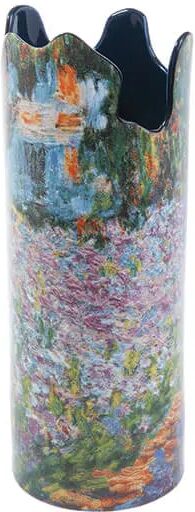
John Beswick Monet Irises in Garden VaseThe Monet Irises in Garden Vase brings a touch of artistic elegance to your living space, perfect for displaying fresh or dried flowers. Inspired by Monet’s iconic artwork, this vase makes a striking centrepiece for your home. Its graceful design enhances any room, adding colour and character whether used alone or filled with floral arrangements.55,00 £*Shipping: 0,00 £Secure redirect to the provider



-
When are irises planted?
Irises are typically planted in late summer or early fall, around August to October, depending on the specific variety and location. This timing allows the irises to establish their roots before the winter months and ensures they will bloom in the spring or early summer. **
-
'Lower classifications of irises'
Lower classifications of irises refer to the different species, varieties, and cultivars within the Iris genus. These lower classifications help to categorize irises based on specific characteristics such as color, size, and growth habits. Some common lower classifications of irises include bearded irises, Siberian irises, and Japanese irises. Each of these classifications has its own unique features and requirements for care and cultivation. **
-
Which irises are these?
These irises appear to be bearded irises, which are characterized by the fuzzy "beard" on the lower petal of the flower. Bearded irises are a popular garden plant and come in a wide range of colors, including purple, white, yellow, and blue. They are known for their striking appearance and are often used in landscaping and flower arrangements. **
-
When can you transplant irises?
Irises can be transplanted in late summer to early fall, after they have finished blooming. This allows the plants to establish themselves in their new location before the winter months. **


Are irises good for bees, and if so, which species?
Irises are good for bees as they provide a good source of nectar and pollen. Bearded irises, in particular, are known to attract bees with their vibrant colors and sweet fragrance. Other species of irises, such as Dutch irises and Siberian irises, also attract bees and other pollinators to the garden. Overall, planting a variety of iris species can help support bee populations by providing them with a rich source of food. **
Why does a Thuja hedge die after over 30 years due to irises?
A Thuja hedge may die after over 30 years due to irises because the irises can compete with the Thuja for nutrients, water, and sunlight. As the irises grow and spread, they can create a dense root system that deprives the Thuja hedge of essential resources, leading to its decline and eventual death. Additionally, the shade created by the irises can also impact the Thuja's ability to photosynthesize and thrive. Regular maintenance and management of the irises, such as thinning them out and controlling their spread, can help prevent this competition and prolong the life of the Thuja hedge. **
Top-Angebote
Products related to Irises:
-
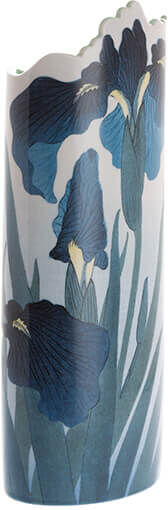
John Beswick Koson Irises VaseThe Koson Irises Vase brings a refined touch to any room, offering a stylish way to display your favourite flowers or enhance your décor. Perfect for adding character to your living space, this elegant vase complements both modern and classic interiors. Its versatile design makes it a lovely centrepiece for everyday use or special occasions.55,00 £*Shipping: 0,00 £Secure redirect to the provider
-
John Beswick Van Gogh Irises VaseThe Van Gogh Irises Vase brings a touch of artistic elegance to your home, inspired by the iconic Irises painting for a distinctive display piece. Showcasing a design influenced by Van Gogh’s celebrated artwork, this vase adds character and colour to any room. It’s perfect for displaying fresh flowers or as a striking decorative accent, helping you create a welcoming atmosphere with ease.55,00 £*Shipping: 0,00 £Secure redirect to the provider
-
John Beswick Monet Irises in Garden VaseThe Monet Irises in Garden Vase brings a touch of artistic elegance to your living space, perfect for displaying fresh or dried flowers. Inspired by Monet’s iconic artwork, this vase makes a striking centrepiece for your home. Its graceful design enhances any room, adding colour and character whether used alone or filled with floral arrangements.55,00 £*Shipping: 0,00 £Secure redirect to the provider
-
What are irises?
Irises are flowering plants that belong to the Iridaceae family. They are known for their showy, colorful flowers that come in a wide range of hues, including purple, blue, white, and yellow. Irises are popular garden plants due to their beauty and variety, and they are often used in landscaping and floral arrangements. **
-
Lower classifications of irises
Lower classifications of irises include the following categories: 1. Subgenus: This is a taxonomic rank below the genus level and is used to group species within a genus based on shared characteristics. 2. Section: This is a taxonomic rank below the subgenus level and is used to further classify species within a subgenus based on specific characteristics. 3. Series: This is a taxonomic rank below the section level and is used to group species within a section based on even more specific characteristics. 4. Subsection: This is a taxonomic rank below the series level and is used to further classify species within a series based on additional characteristics. Overall, these lower classifications help botanists and horticulturists organize and categorize the diverse range of iris species based on their unique traits and characteristics. **
-
When are irises planted?
Irises are typically planted in late summer or early fall, around August to October, depending on the specific variety and location. This timing allows the irises to establish their roots before the winter months and ensures they will bloom in the spring or early summer. **
-
'Lower classifications of irises'
Lower classifications of irises refer to the different species, varieties, and cultivars within the Iris genus. These lower classifications help to categorize irises based on specific characteristics such as color, size, and growth habits. Some common lower classifications of irises include bearded irises, Siberian irises, and Japanese irises. Each of these classifications has its own unique features and requirements for care and cultivation. **
Similar search terms for Irises
-
Amazon Fire TV Stick 4K Max streaming device supports Wi-Fi 6E, Ambient Experience, NewTransform your home entertainment setup with the Amazon Fire TV Stick 4K Max Streaming Device, Amazon’s most powerful streaming stick designed for ultra-fast performance, stunning 4K visuals, and seamless smart home integration. Featuring support for Wi-Fi 6E, Dolby Vision, HDR10+, and the immersive Ambient Experience, this advanced streaming device delivers smoother streaming, faster app launches, and cinematic-quality entertainment directly to your TV. Perfect for movies, live TV, gaming, and voice-controlled smart home access, the Fire TV Stick 4K Max offers premium streaming performance in a compact and easy-to-use design. ✔️ Ultra-Fast 4K Streaming Performance – Enjoy smoother navigation, faster app launches, and responsive streaming performance ✔️ Stunning 4K Ultra HD Quality – Supports Dolby Vision, HDR10+, and immersive Dolby Atmos audio for cinematic entertainment ✔️ Wi-Fi 6E Support – Enhanced wireless connectivity for faster, more stable streaming with compatible routers ✔️ Ambient Experience Mode – Turn your TV into a digital art display with widgets, artwork, weather updates, and personalised visuals ✔️ Alexa Voice Remote Included – Use voice commands to search content, control playback, and manage smart home devices ✔️ Access to Popular Streaming Apps – Stream Netflix, Prime Video, Disney+, YouTube, NOW, Spotify, and more ✔️ Smart Home Integration – Control compatible smart devices, cameras, lights, and routines directly through Alexa ✔️ Expanded Cloud Gaming Support – Play supported games through cloud gaming services without a console ✔️ Compact Plug-and-Play Design – Easy setup and discreet design that connects directly to your TV’s HDMI port ✔️ 16GB Storage Capacity – Increased storage for apps, games, and smoother overall device performance ✔️ Live TV & Free Content Access – Watch live channels, free streaming apps, and personalised recommendations ✔️ Energy Efficient Streaming Device – Designed for low power consumption with intelligent performance optimisation The Amazon Fire TV Stick 4K Max is built for users who want premium streaming quality, lightning-fast performance, and smart home convenience in one compact device. Whether you're binge-watching movies, streaming live sports, gaming, or controlling your smart home with Alexa, this streaming stick delivers a fast, immersive, and feature-rich entertainment experience. Ideal for modern households, it combines powerful hardware, advanced connectivity, and intelligent features to keep you connected to your favourite content anytime.87,99 £*Shipping: 0,00 £Secure redirect to the provider
-
Which irises are these?
These irises appear to be bearded irises, which are characterized by the fuzzy "beard" on the lower petal of the flower. Bearded irises are a popular garden plant and come in a wide range of colors, including purple, white, yellow, and blue. They are known for their striking appearance and are often used in landscaping and flower arrangements. **
-
When can you transplant irises?
Irises can be transplanted in late summer to early fall, after they have finished blooming. This allows the plants to establish themselves in their new location before the winter months. **
-
Are irises good for bees, and if so, which species?
Irises are good for bees as they provide a good source of nectar and pollen. Bearded irises, in particular, are known to attract bees with their vibrant colors and sweet fragrance. Other species of irises, such as Dutch irises and Siberian irises, also attract bees and other pollinators to the garden. Overall, planting a variety of iris species can help support bee populations by providing them with a rich source of food. **
-
Why does a Thuja hedge die after over 30 years due to irises?
A Thuja hedge may die after over 30 years due to irises because the irises can compete with the Thuja for nutrients, water, and sunlight. As the irises grow and spread, they can create a dense root system that deprives the Thuja hedge of essential resources, leading to its decline and eventual death. Additionally, the shade created by the irises can also impact the Thuja's ability to photosynthesize and thrive. Regular maintenance and management of the irises, such as thinning them out and controlling their spread, can help prevent this competition and prolong the life of the Thuja hedge. **
* All prices are inclusive of VAT and, if applicable, plus shipping costs. The offer information is based on the details provided by the respective shop and is updated through automated processes. Real-time updates do not occur, so deviations can occur in individual cases. ** Note: Parts of this content were created by AI.